Your team

The Team Behind These Guides

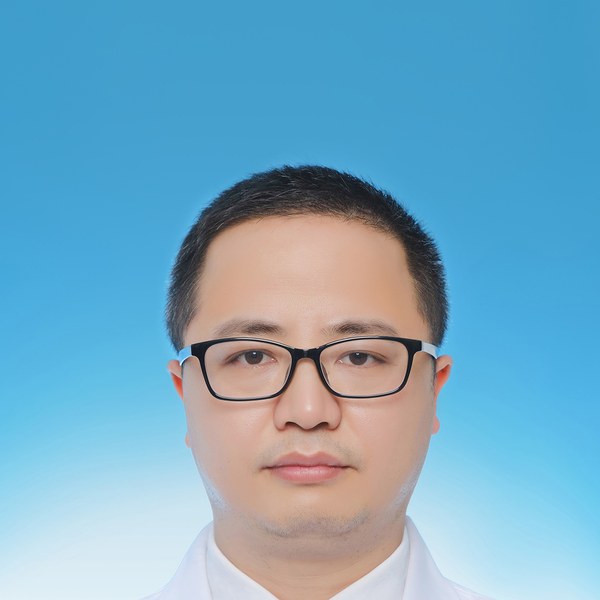
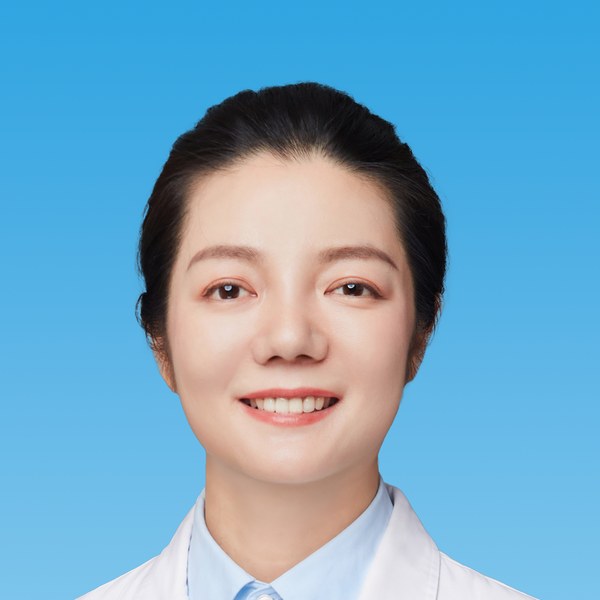
Four physicians staff the Plastic Surgery & Aesthetics Medical Center at Chongqing West District Hospital. Dr. Ke He leads this site and assesses and plans its RF microneedling treatment; the Center Director provides the surgical perspective and the hospital-level backstop, an aesthetic surgeon judges when an operation is the honest answer, and a dermatologist carries the skin and pigment assessment that decides how safely any energy treatment can be used.

Specialist profiles

Who reviews this content

Ke He

Ke He (何锞)

Deputy Director & Head of Skin & Laser Aesthetics · Attending Physician, Licensed Aesthetic Attending · Lead Physician of This Site

Laser & energy-device treatment · fractional radiofrequency microneedling · pigment, vascular and scar care

Dr. Ke He is Deputy Director of the Plastic Surgery & Aesthetics Medical Center at Chongqing West District Hospital and head of its skin and laser aesthetic service — and she is the lead physician of this site. A core specialist formerly at the Plastic and Aesthetic Surgery Department of Xinqiao Hospital, affiliated with Army Medical University, she has worked on the clinical front line in skin laser and injectable aesthetics for more than 20 years, serving over ten thousand patients.

Her method is assessment before device. Skin type and pigment tendency are established first, because how a patient’s skin has healed after a burn, a spot or an earlier treatment predicts the risk of this one more reliably than any setting does. Plans are staged rather than sold in blocks, progress is judged against standardised photographs rather than memory, and each session is followed by a review point at which the plan can be changed or stopped. Where the honest answer is mechanical microneedling, a surgical opinion or no treatment at all, she says so — and the tertiary-hospital setting behind the centre means that when a complication does need theatre-level care, it is in the same building.

Clinical focus

  • Fractional radiofrequency microneedling and mechanical microneedling, matched to skin type and pigment risk
  • Pigment conditions: freckles, sun spots, age spots, melasma-type pigment, and post-inflammatory pigment
  • Acne and acne scarring, including combined releasing and resurfacing plans
  • Skin-type and candidacy assessment, including laser and energy-device safety in darker skin
  • Non-surgical tightening across device classes, with honest limits stated at assessment
  • Full-cycle skin management: barrier repair, skincare sequencing, and device sequencing

Academic roles & achievements

  • Member, Laser Medicine Group, Chinese Medical Association Plastic Surgery Branch
  • Member, Facial Rejuvenation Group, Chinese Medical Association Plastic Surgery Branch
  • Member, Chongqing Plastic Surgery Quality Control Center
  • Published 5 papers, holds 5 national patents, and introduced 2 new clinical techniques

The risk that decides most cases

For energy treatments on the skin, the outcome that changes a patient’s year is pigment change, not an underwhelming result. It is more common and more stubborn in darker skin, it is prevented by conservative settings and honest intervals rather than by enthusiasm, and it is the reason a test area and a pigment plan belong in the assessment rather than in the consent form.
Shaoliang Wang

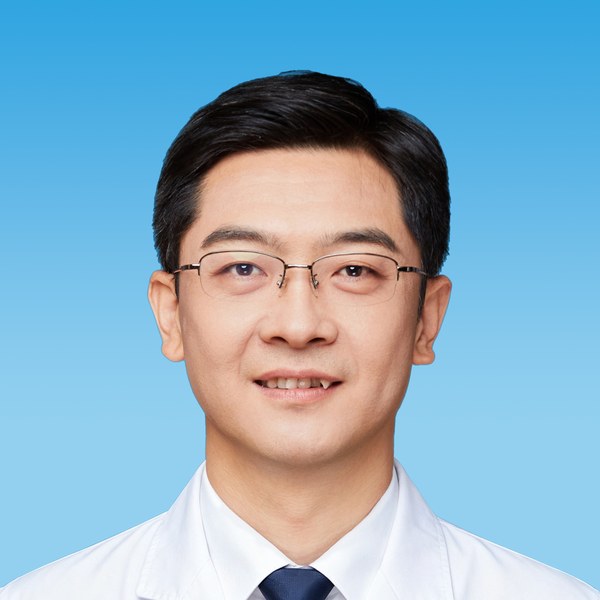
Shaoliang Wang (王韶亮)

Director, Plastic Surgery & Aesthetics Medical Center · Vice Chief Physician, Associate Professor, Doctor of Medicine

Surgical perspective · tertiary-hospital backstop

Dr. Shaoliang Wang is Director of the Plastic Surgery & Aesthetics Medical Center at Chongqing West District Hospital. Within the team he provides the surgical perspective: the judgement of when a concern about laxity or scarring is better served by an operation than by an energy device, and the assessment that keeps a non-surgical course from being sold where it cannot reach.

He also carries the tertiary-hospital backstop. When a complication of any treatment in the centre needs theatre-level care, the operating room, anaesthesiology and intensive care are already in the same building, which is what makes that backstop real rather than theoretical.

Clinical focus

  • Surgical assessment where an operation is the honest answer to laxity or scarring
  • Center leadership and multidisciplinary case review
  • Hospital-based support for the rare complication that needs theatre-level care
Tongchun Mao

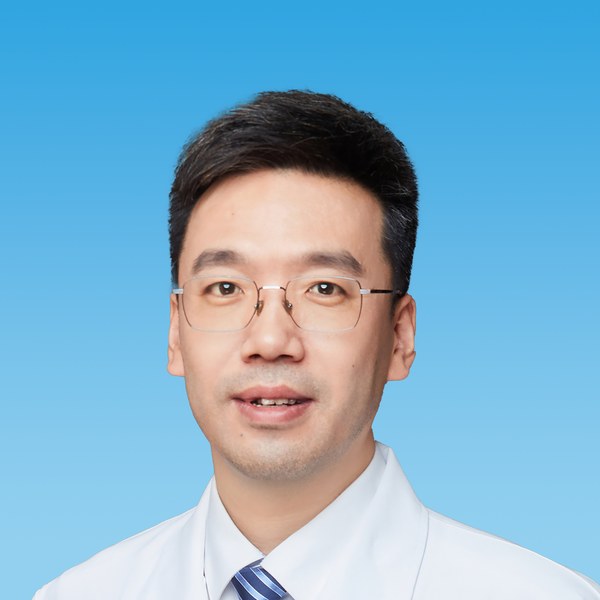
Tongchun Mao (毛彤春)

Deputy Director & Head of Aesthetic Surgery · Vice Chief Physician, Licensed Aesthetic Attending

Aesthetic surgery · refinement · honest referral

Dr. Tongchun Mao is an aesthetic surgeon within the Plastic Surgery & Aesthetics Medical Center at Chongqing West District Hospital. Within the team his role is refinement and judgement: recognising when a device plan will not achieve what surgery can, and referring honestly rather than extending a course that has stopped working.

His contribution to a non-surgical pathway is the ceiling. He is the person who says that a jawline which has descended is a surgical problem, and that continuing to treat it at the surface is a way of spending money without changing anything.

Clinical focus

  • Aesthetic surgical assessment and refinement
  • Honest referral when surgery outperforms a device
  • Shared case planning within the four-physician team
Yongbo Jia

Yongbo Jia (贾勇波)

Deputy Director & Head of Dermatology · Vice Chief Physician, Licensed Aesthetic Attending

Dermatology · pigment diagnosis · barrier care

Dr. Yongbo Jia is a dermatologist within the Plastic Surgery & Aesthetics Medical Center at Chongqing West District Hospital. Within the team his role is the skin itself: medical assessment before any device is used, diagnosis and management of pigment conditions, and dermatologic care when a treatment has left the skin irritated.

For a patient considering RF microneedling that means the pigment question is answered clinically rather than assumed. If a mark appears after a session, the response is a diagnosis and a plan, not another session at lower energy.

Clinical focus

  • Medical skin assessment behind energy-treatment plans
  • Pigment diagnosis and management, including post-inflammatory change
  • Dermatologic care of skin after a device complication

Start with an assessment, not a booking

Arrange a consultation. We will examine your skin type and pigment tendency, explain what RF microneedling can and cannot change for your concern, and tell you plainly if the honest answer is a different treatment or none at all.

Contact the Team